The journal
September 18, 2026
5 min read
Investment properties, by the numbers
Nightly, long-term, or both. The analytics come before the offer.
An investment property in Park City territory is not a vibe, it is a spreadsheet, and I run one for every address before my buyers make an offer. This article explains exactly how I model the two income paths, nightly short-term rentals and long-term rentals, what the local rules actually say, and why the answer is usually more honest than the listing agent's.
01 / Start at the exit
The resale test comes first.
Before I model a single rental night, I run the resale comps. Who will buy this unit in ten years, and what will they pay? That exit number drives everything else, because rental income is the tail, not the dog. A property that resells well and rents modestly beats a rental rockstar with a soft exit every time.
Then I build the rent roll from actuals: what similar units in the building or on the street have actually rented for, not the asking price, and how many days they sat dark between tenants.
02 / The nightly path
The mountain math.
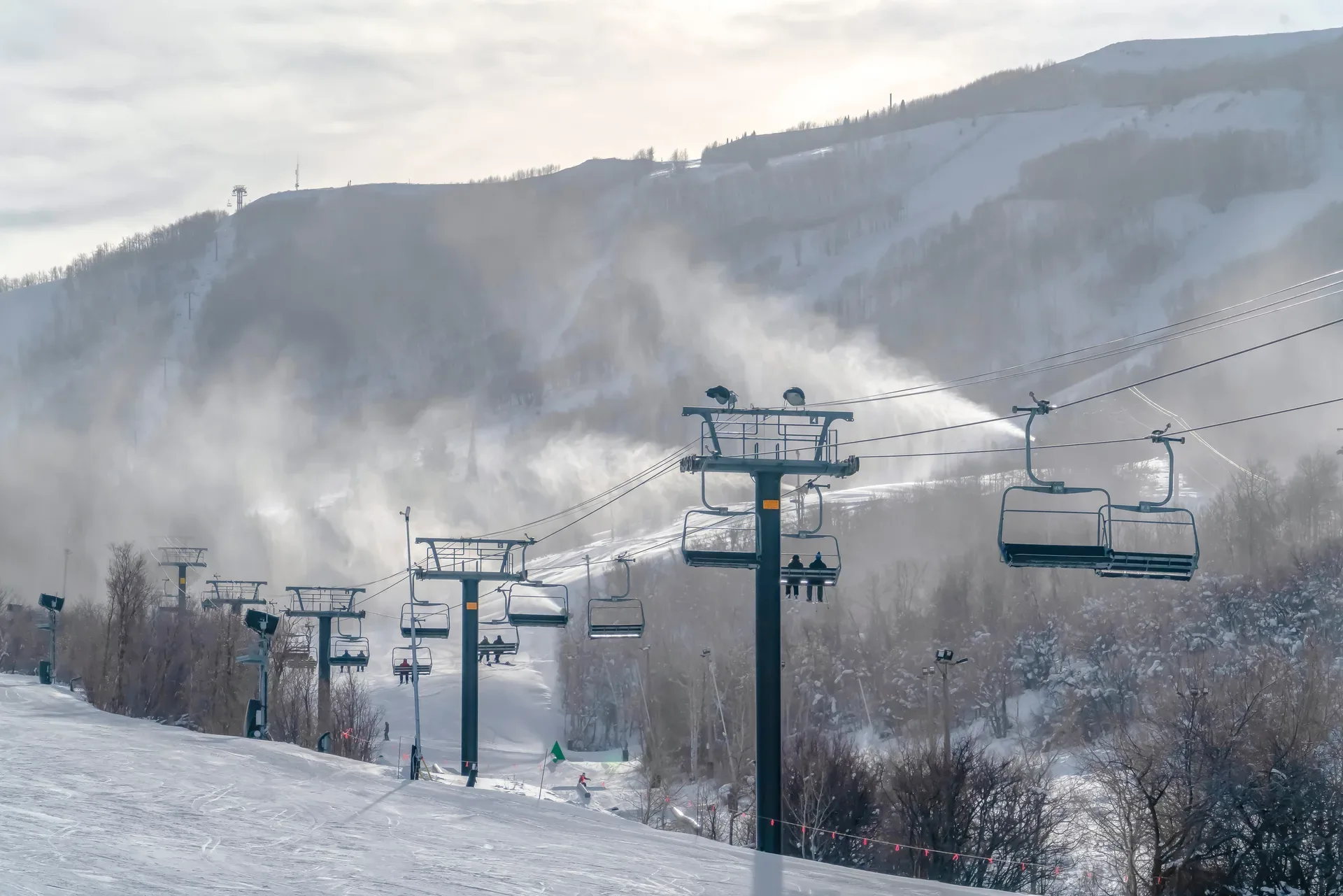
Nightly (short-term) rentals in Park City territory are real business, and they are heavily regulated, so the analytics start with what the address is allowed to do. In Park City city limits, a nightly rental means a stay under 30 days, and it requires a property-specific license that renews every year, plus a fire and safety inspection and a local 24/7 representative. The use is only allowed in the zones that permit it, chiefly Old Town, Canyons Village, Prospector Square, and select Deer Valley communities.
Outside city limits, the county writes the rules. In Summit County, both the owner and any property manager need their own nightly rental license, and accessory dwelling units cannot be rented by the night at all. Nearby, Park City, Wasatch, and Summit Counties each run their own ordinances, so the first question is never "how much can it rent for?" It is "can it legally rent at all?" I read the current code before we shop a single address.
03 / The long-term path
The steady column.
Long-term and annual rentals trade the peaks for the plateau: predictable yield, one tenant, no nightly turnover, no license dance. In the mountain corridor, a quality annual tenant can outperform a mediocre nightly operation once management costs and vacancy are priced in. The analytics matter because the obvious answer is not always the right one.
04 / We've got it all
Nightly. Annual. Both. One model.
The point of all this is simple: I run both paths for every address, plus the hybrid, so you see the full picture before you sign anything. Nightly gross, annual net, resale exit, carrying costs, and the honest regulatory check. My 21 years in this market mean the comps are real and the counsel is straight.
Whether you want a furnished mountain rental by the week or a quiet long-term unit on the bench, we've got it all covered, and the spreadsheet will be right there with us.
The numbers, before the offer
Let's model your next income property.
Tell me the address, the budget, and the plan, nightly, annual, or undecided. You get the full model back, with the regulations and the comps attached, no obligation.