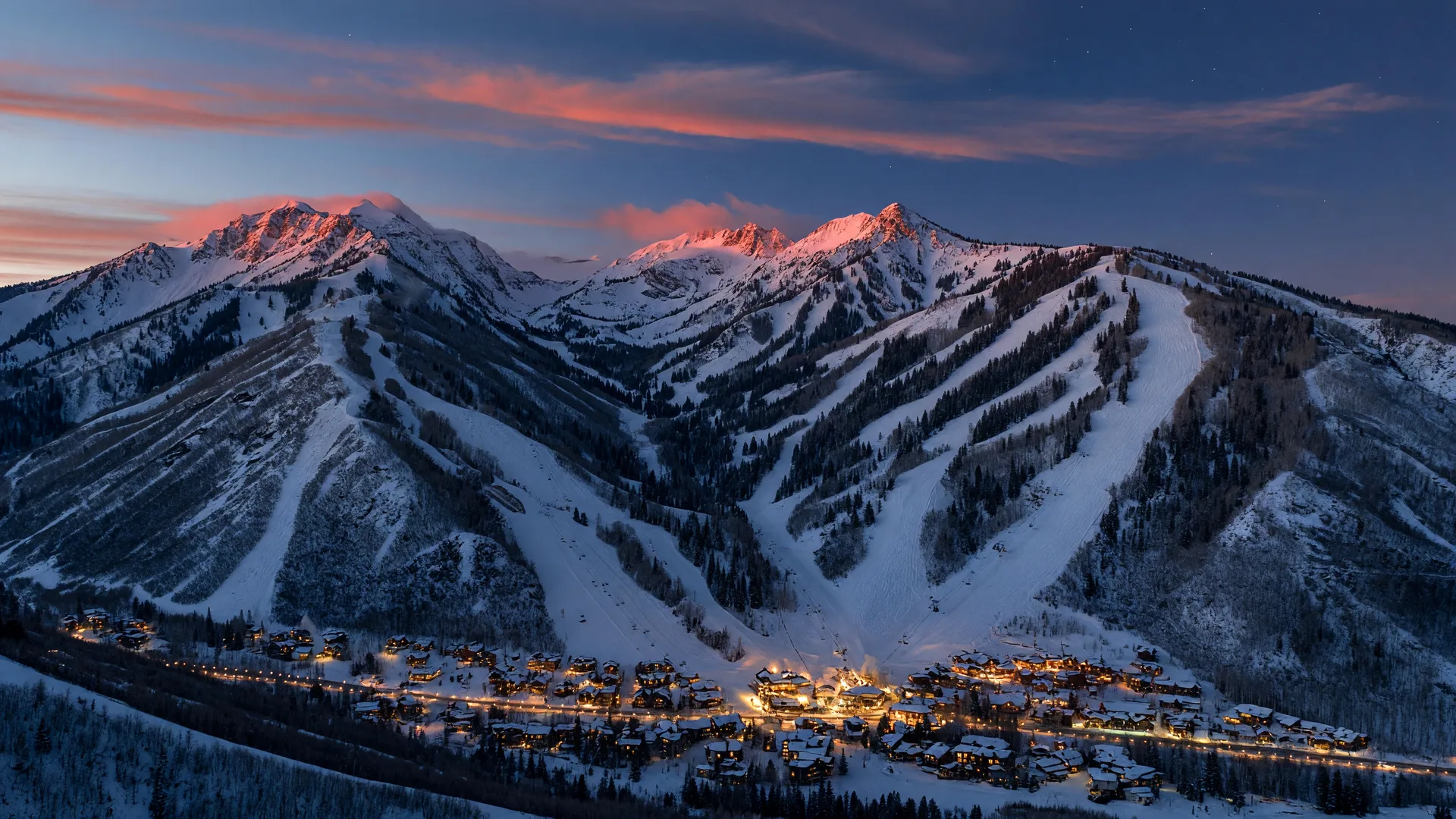
The resorts
The Wasatch
The inside line
Ski resorts
Six resorts, one range. The greatest snow on earth, and the honest line on where to ride it.
Start your searchThe premise
Two sides of the same snowpack.
Utah calls it the greatest snow on earth, and it is hard to argue from the top of any of these lifts. The Wasatch stacks six world-class resorts within an hour of the Salt Lake airport, and they divide into two very different cultures that locals argue about forever. This is the honest version, the way I would tell it over dinner.
On the Wasatch Back, Park City Mountain and Deer Valley bookend a real town: ski in from the slopes, eat on Main Street, sleep in a ski-in, ski-out lodge. On the Wasatch Front, the Cottonwood Canyons run the purist's game: Alta and Snowbird up Little Cottonwood, Solitude and Brighton up Big Cottonwood, powder-first, higher, steeper, and famously light. I have sold homes under all of them for 21 years. The right one depends on the kind of ski day you want.
7,300
Acres at Park City Mountain, the largest in the U.S.
11,000
Feet. Hidden Peak, top of the Snowbird tram
1936
Utah's first ski resort, Brighton
6
Resorts, two cultures, one Wasatch range
01 / Park City Mountain · The Wasatch Back
The biggest resort in America, steps from Main Street.
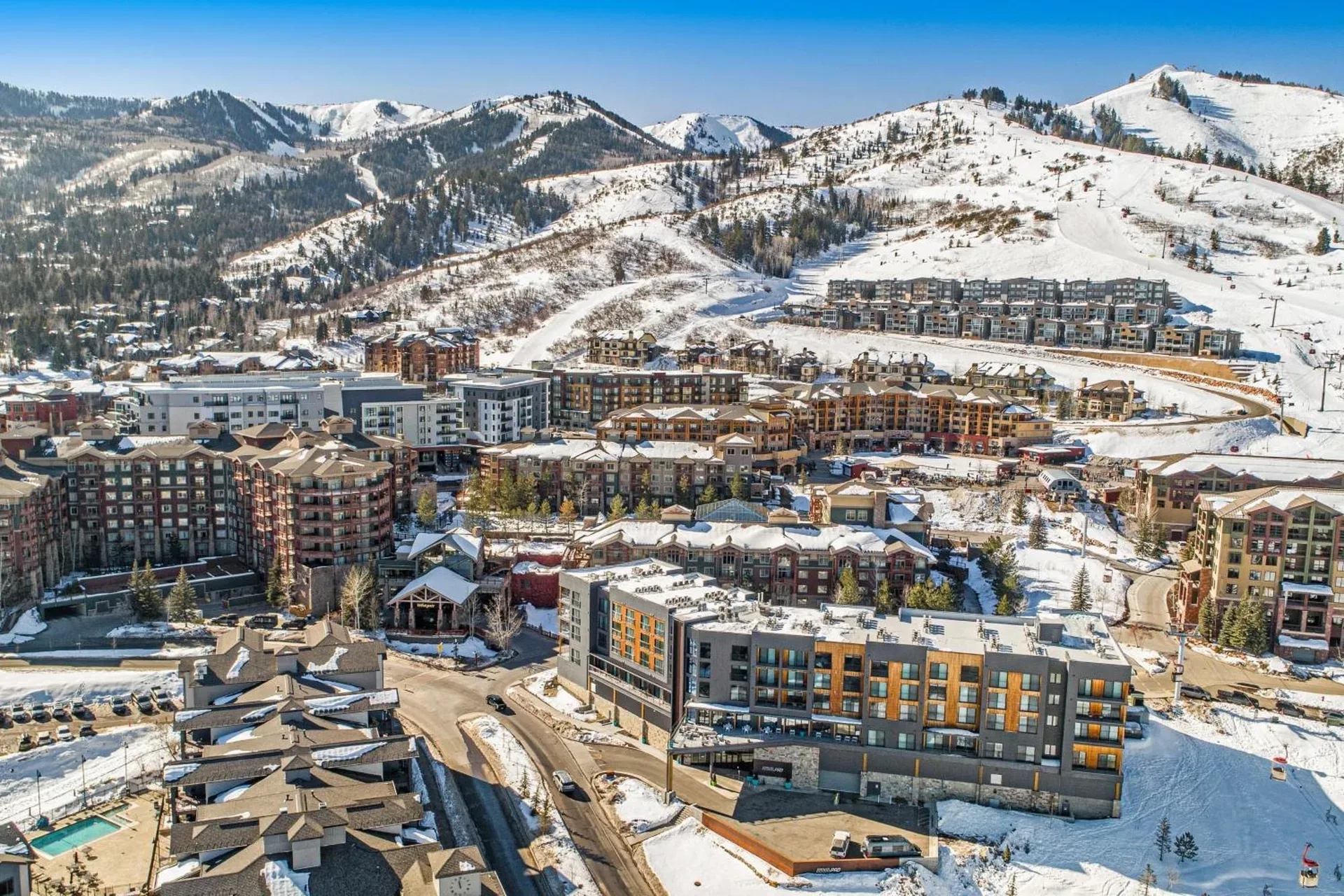
Park City Mountain is the largest ski resort in the United States: more than 7,000 acres across 330-plus named trails, with the summit topping out around 10,000 feet and the base sitting right at the edge of historic Main Street. It is the anchor of Utah's original ski town, and the line between mountain and town is measured in steps, not miles.
The geometry is what makes it special. Ski from the far reaches of the mountain and the slopes deliver you into Park City's dining and nightlife; dinner is a trail away. It is part of the Epic pass family, the lifts are fast, and the town has been hosting powder days since the silver era.
For buyers this is the whole pitch, the reason Old Town and Empire Pass trade at a premium: nothing else in the country puts a resort of this scale next to a walkable historic downtown.
The insider's line
Skip the base-area rush and board the Town Lift right off Main Street. Click in, ride up, and the whole mountain opens in front of your boots.
02 / Deer Valley · The Wasatch Back
The polished peak of luxury skiing.
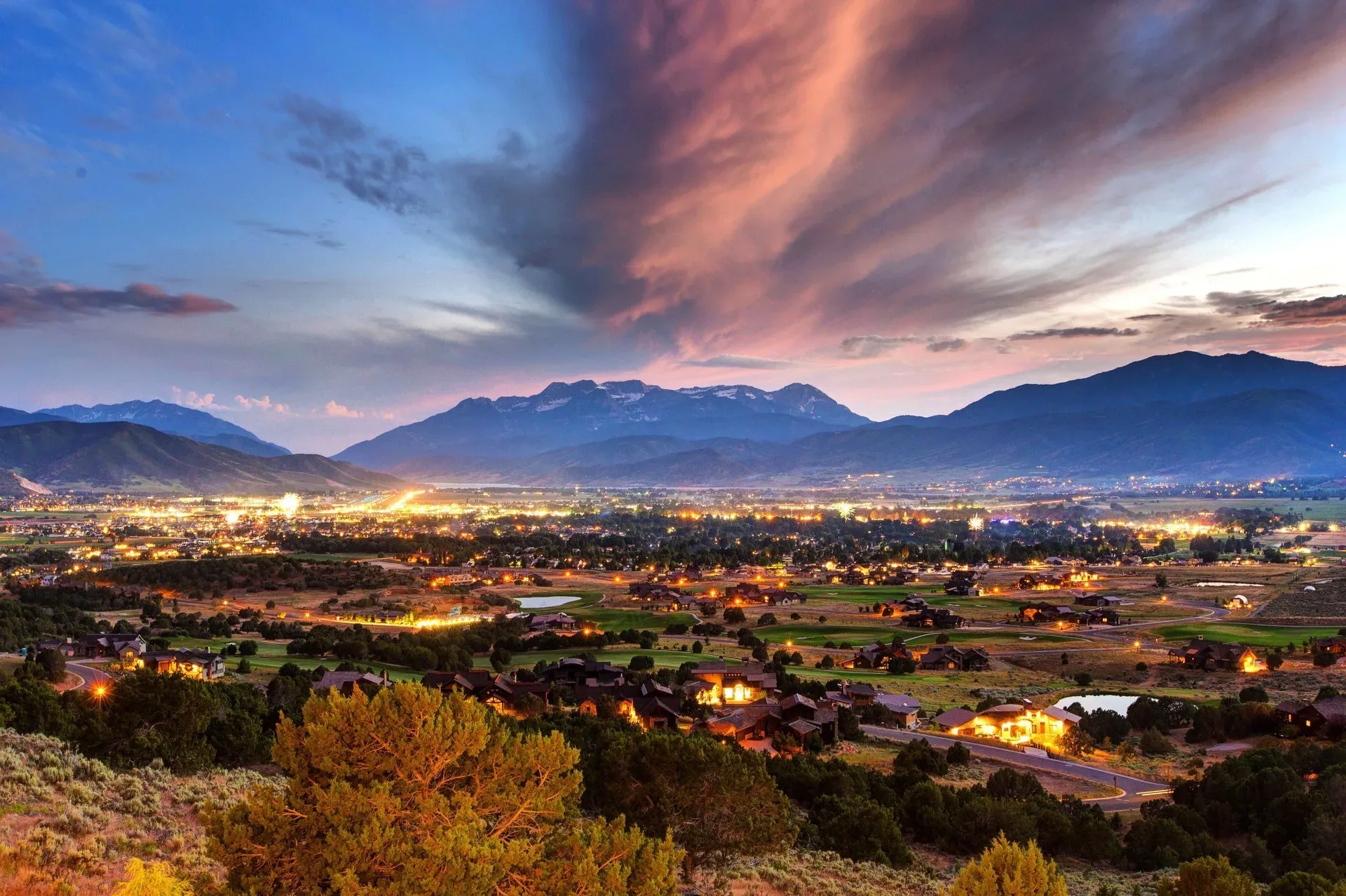
Deer Valley built its name on one word: polished. It is famously skier-only, one of just three resorts in the country that draws that line, and its service and grooming have been ranked number one in North America so often that the ranking is practically its birthright. Runs are manicured overnight, lodges have ski valets, and lunch happens at a table with a real menu.
And it is not done growing. The East Village expansion, the largest new-terrain project in the resort's history, keeps pushing the map outward: new terrain served by the Keetley Express at the base, and coming seasons that push the resort past 4,500 acres on its way to a full buildout near 5,700. Buyers who want the most luxurious version of a Utah ski life watch this closely, because the homes and the access are growing along with it.
The insider's line
Hand your skis to the valet in the morning, ski corduroy all day, and eat a lunch worth the ticket. Deer Valley is service theater, and it is the best in the business.
03 / Canyons Village at Park City Mountain · The Wasatch Back
The new energy on the mountain's west side.
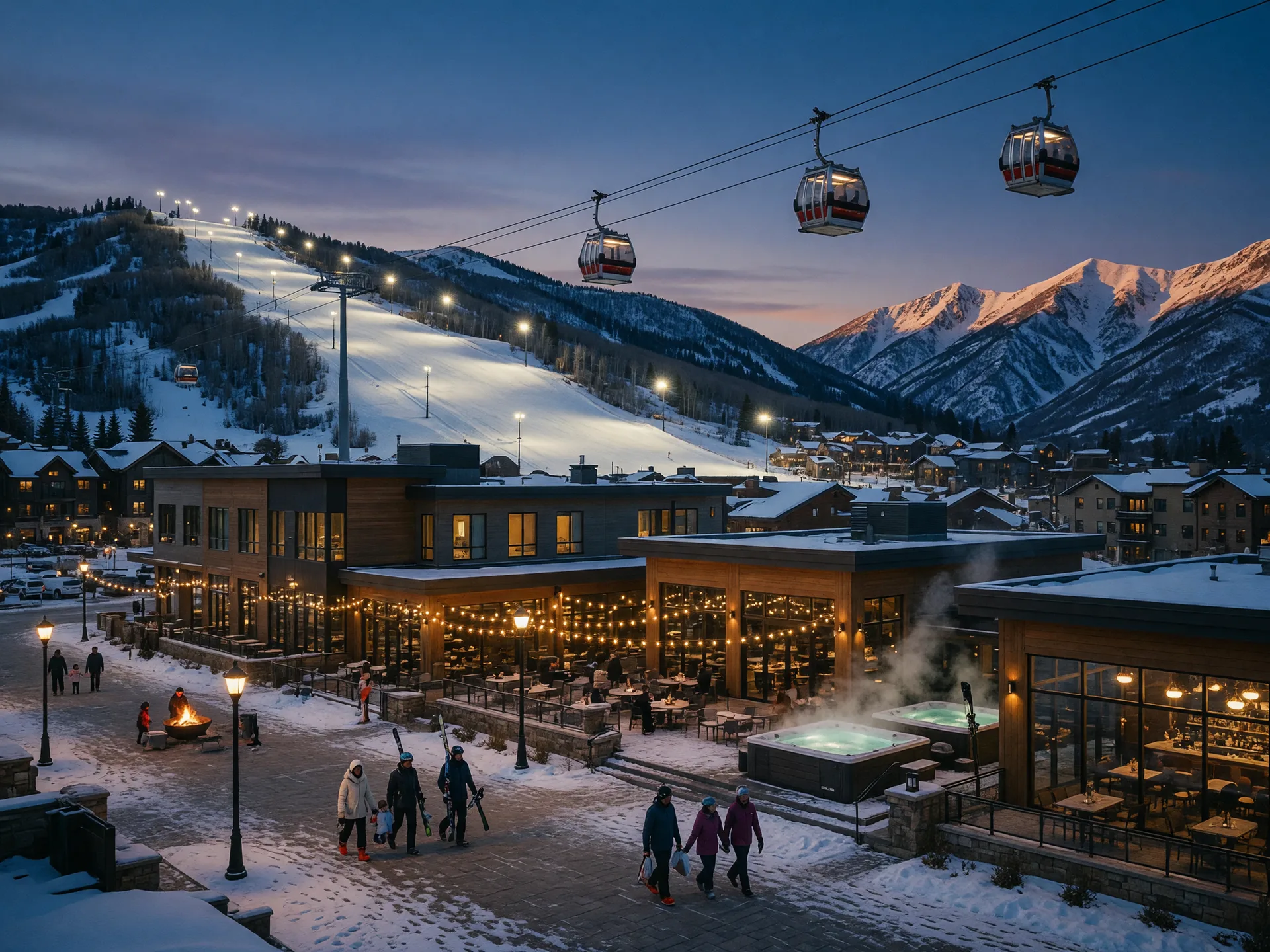
Canyons Village is the former Canyons resort, and it is now the newest-feeling base area of Park City Mountain. Modern gondolas, wide-open terrain, ski-in, ski-out hotels with real après, and a village that keeps building. It has a different rhythm than the historic side: bigger lifts, wider trails, and a base-area energy that runs from first tram to last call.
One piece of the picture just changed. The Cabriolet, the free open-air gondola that carried skiers and non-skiers from the lot into the village for a quarter century, made its final run in 2026, and its replacement, the new enclosed Skyway gondola, is rising in its place. If you want to stay ahead of the mountain's evolution, this is where it is happening.
Canyons is also the epicenter of new construction around Park City: condos, clubs, and ski-access homes with the newest floor plans in the area.
The insider's line
Come for the gondola laps and the wide cruisers. Stay for the ski-in, ski-out hotel life, which no other base in the state does quite as well.
04 / Solitude · Big Cottonwood Canyon
The canyon's quieter escape.
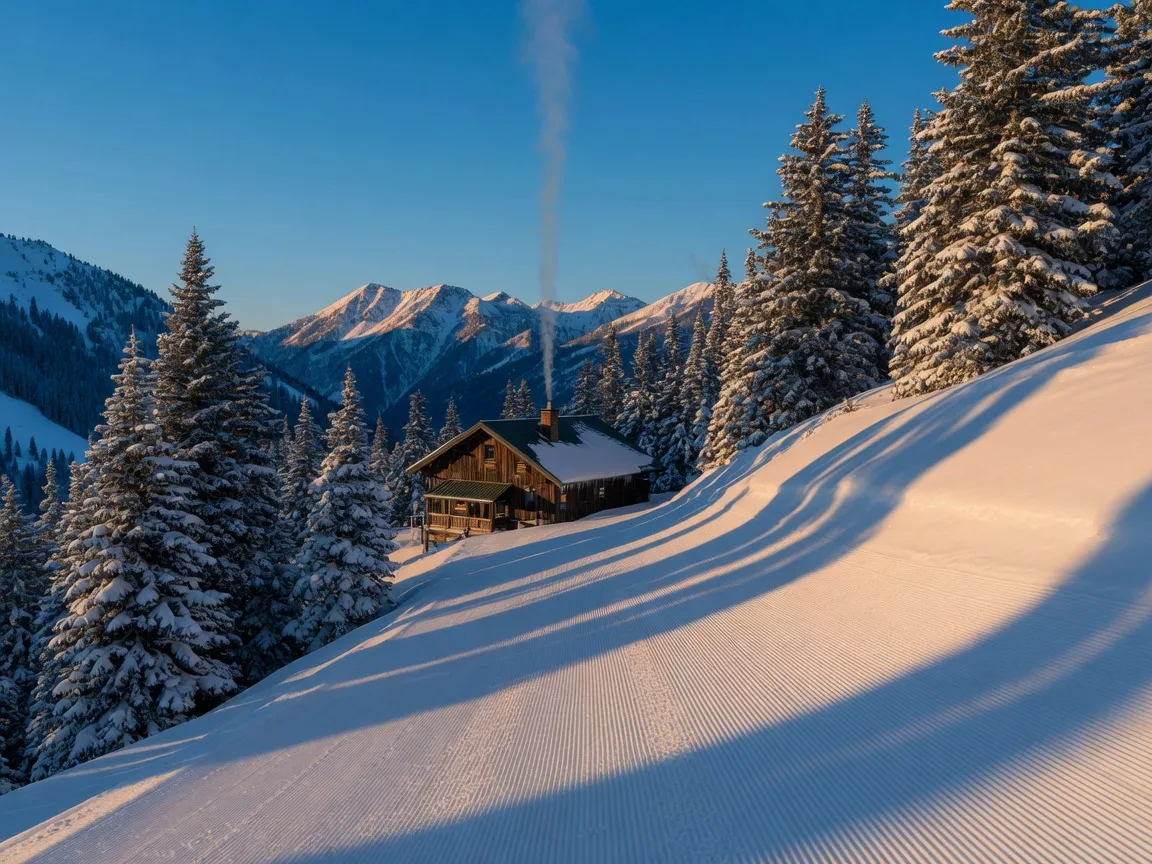
Solitude has been Big Cottonwood's boutique escape since it opened in 1957. It is smaller than its neighbors, roughly 1,200 acres, and it wears that like a badge: no crowds, no scene, no hurry. The village hugs the base, the runs spread out wide, and on the right morning the powder sits untouched long after the rest of the Wasatch has been tracked.
Solitude is famous for some of the best powder days on the Wasatch Front, and it is still the mountain where you can feel like you have it to yourself.
The insider's line
Book a midweek day at Solitude and you will understand why the people who live closest to it guard the secret.
05 / Brighton · Big Cottonwood Canyon
Utah's first resort, still the soul of the canyon.
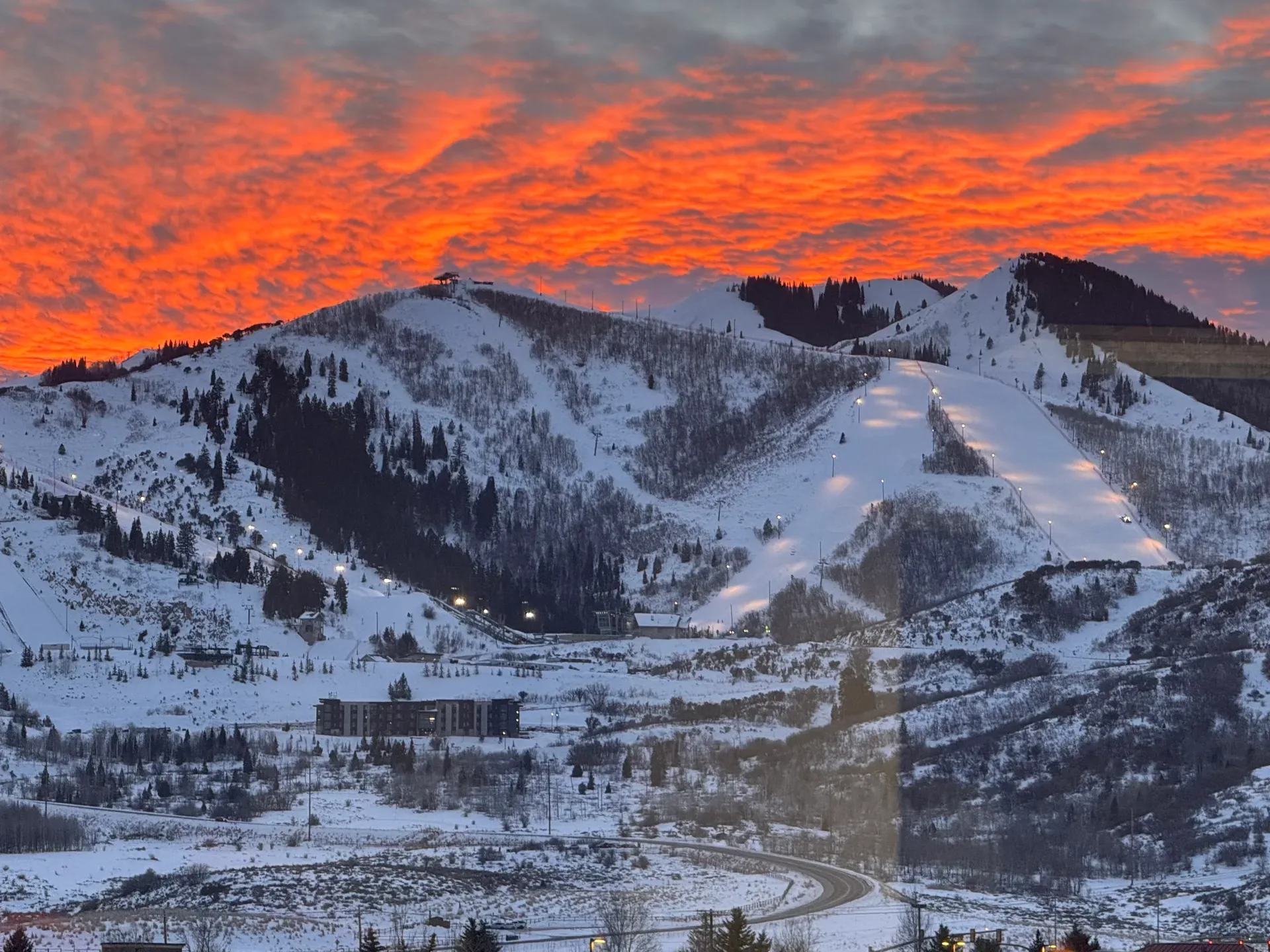
Brighton opened in 1936, the first ski resort in Utah, started with a rope tow built from wire and an old elevator motor. Nearly a century later it is still the friendliest, most soulful mountain in Big Cottonwood Canyon: a tight, family-run feel, a fiercely local crowd, and views from the upper bowl that stop you mid-run.
It has always leaned a little counterculture, too. Brighton was snowboarder-native from the early days of the sport, and its night skiing is legendary: lights on until late, a canyon full of locals lapping after work. Whatever the mountain lacks in polish, it more than makes up in heart.
The insider's line
Bring your board, stay for the night session. Brighton after dark is the best-kept secret in the canyon.
06 / Alta · Little Cottonwood Canyon
Little Cottonwood's powder cathedral.
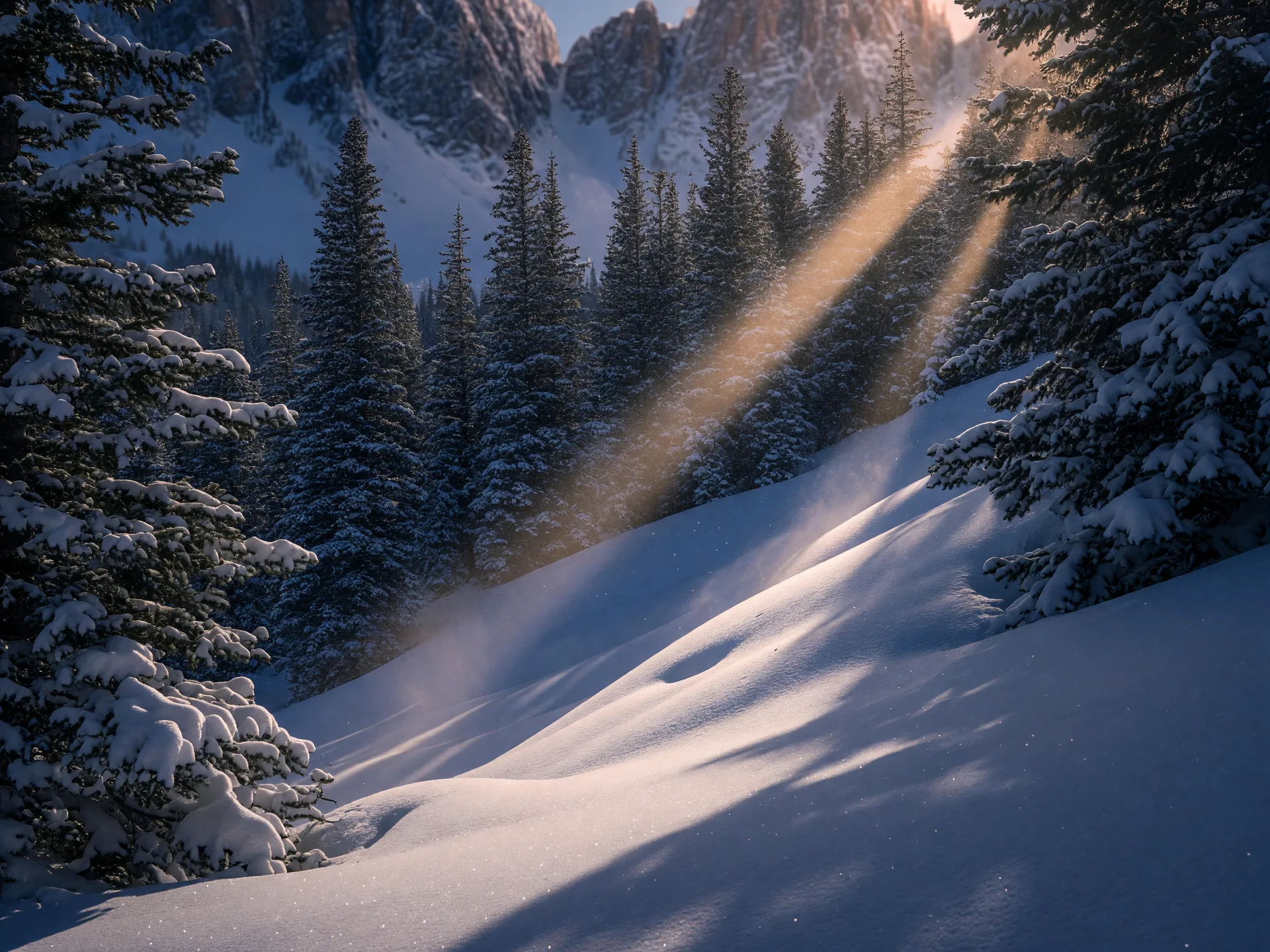
Alta is the purest thing in Utah skiing. Founded in 1938 and independently owned ever since, it sits at the top of Little Cottonwood Canyon like a shrine for the sport: skier-only, no snowboards, no condos at the base, just mountain and weather. It averages more than 500 inches of snow a winter, among the deepest on earth, and it skis like it.
The culture is the point. Alta is a throwback on purpose, one of just three resorts in the country, alongside Deer Valley and Vermont's Mad River Glen, that still keeps the mountain for skiers only, and the locals treat that rule with real reverence. Ski it once on a deep day and you understand the devotion. There is nothing else on the Wasatch quite like it.
The insider's line
Respect Alta's skier-only culture and the mountain opens up for you. It is not a restriction, it is a ritual: show up early, ski hard, and let the place work its spell.
07 / Snowbird · Little Cottonwood Canyon
The Wasatch's big-mountain adventure pick.
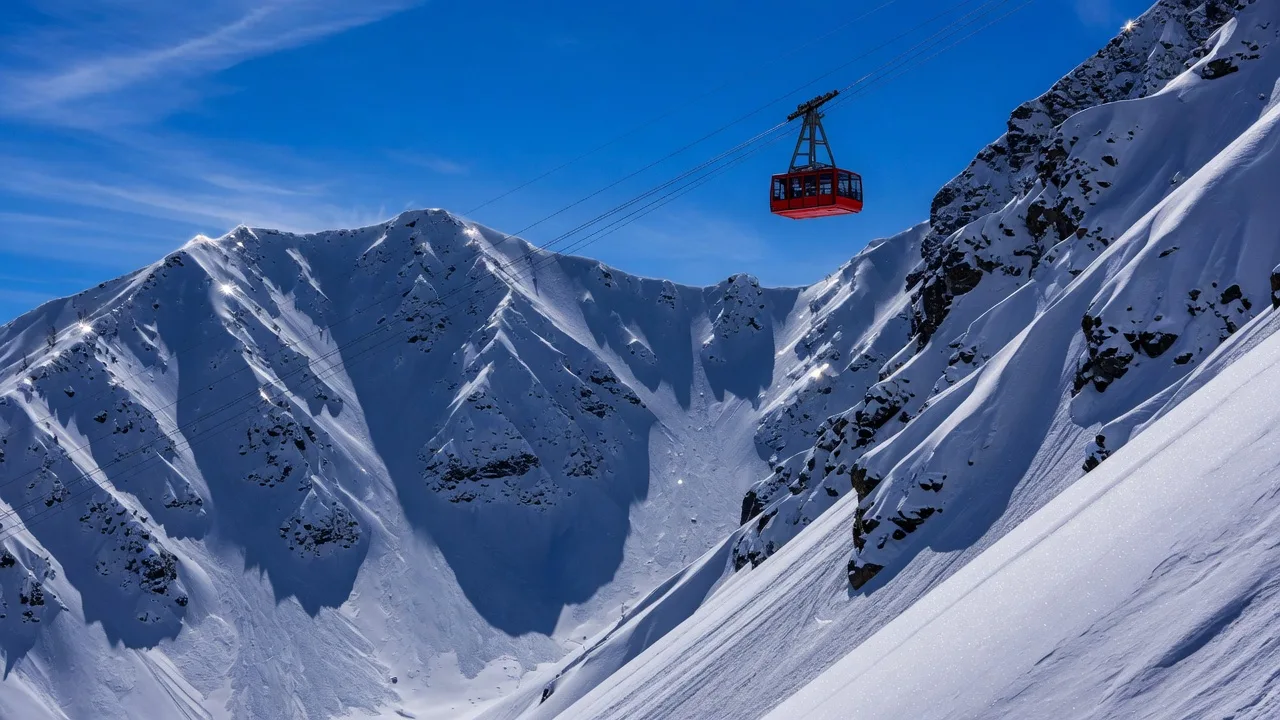
Snowbird is Alta's big-mountain counterpart across the same canyon, and it does scale like nowhere else in Utah. The Aerial Tram lifts 125-passenger cabins nearly 2,900 vertical feet to Hidden Peak at 11,000 feet, and the mountain drops back down 3,000-plus feet of steep, technical terrain. It has been the Wasatch's adventure pick since it opened in 1971.
It is also the rare year-round resort in these canyons: the Cliff Lodge anchors the base, the tram runs for sightseers in summer, and the mountain stays alive in every season. Big-mountain skiers buy homes within a canyon's drive of it for a reason.
The insider's line
Take the glass-enclosed tram to Hidden Peak for your first lap and let the exposure do the talking. It is 11,000 feet of education.
The snow report
How the locals read a storm.
None of this is far from anywhere. That is the geography lesson of Utah skiing: six resorts inside an hour of the airport, and every neighborhood I sell sits within a canyon's drive of at least one of them.
Where the crowds ski
Park City Mountain and Deer Valley anchor the Wasatch Back. Alta and Snowbird own Little Cottonwood. Solitude and Brighton keep Big Cottonwood quirky. Each canyon has its own snowpack, its own character, and its own line at the coffee shop.
Canyon traffic flows
On storm mornings the traffic moves up both Cottonwoods before first chair, and the locals are in the lots by 7:30 or they ski midweek. The Wasatch Back spreads its crowds across two resorts and a town, so the calculus there is completely different. Know your canyon and the powder day is easy.
The light powder
Utah's snow is famous for a reason: storms roll in off the Great Salt Lake, meet the cold, high air of the Wasatch, and drop some of the lightest powder on earth. The altitude keeps it dry. The greatest-snow-on-earth slogan is less marketing than meteorology.
The neighborhoods around each mountain
This is not a guide from a desk. My coverage area includes every resort on this page, and I know the neighborhoods around each one: Old Town and Empire Pass under Park City Mountain, the lodges of Deer Valley, the canyon-door addresses of Cottonwood Heights, and the whole East Bench. Start with the mountain, and I will show you the address.
Field note, driver's seat
Powder days start before the plows.
The lime-green Gladiator is made for these mornings: lifted, light bar on, winch up front for whoever slid off the drive first. Getting to a showing in a snowstorm is half the fun, and no charge for the pull. That is the standard.
Resort facts sourced from the resorts' own sites. Verify conditions and openings before you go.
Pick your powder
Every mountain has an address.
Ski-in, ski-out under Deer Valley. Old Town steps from the Town Lift. A bench home with both canyon mouths in your rearview. Tell Belladonna which ski day you want, and she will show you the address that matches. Twenty-one years in, the powder is the easy part.
Where it lives
Two markets, one ski culture.
Park City, Hideout, Deer Valley, Heber, and Kamas on the resort side. The Wasatch Front bench from Capitol Hill to Draper on the canyon side.