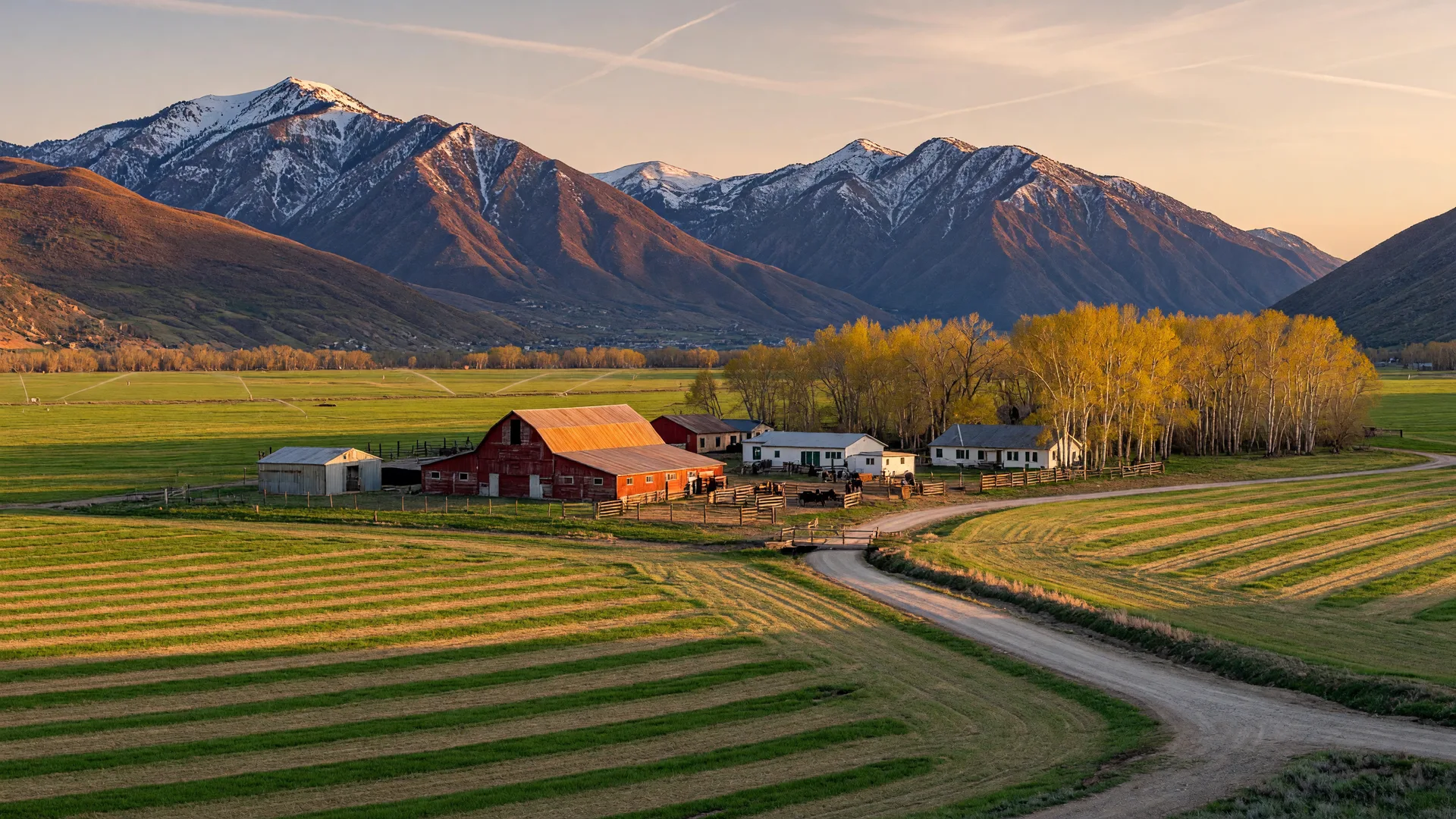
The journal
October 9, 2026
5 min read
Land & ranch in the Wasatch Back
Water, zoning, and access: the three things that decide whether land becomes a home, and the ones nobody mentions first.
Buying land in the Wasatch Back is not like buying a lot in a subdivision. The parcel, the water, and the permission to use it are three separate things, and the gap between them is where buyers get hurt. Here is what I check before anyone I represent makes an offer.
01 / The window
One of the last windows in the West.
The Wasatch Back is one of the last places in the West where you can still buy real land and a working ranch within an hour of a major international airport. Salt Lake City International is under an hour away.
The window is narrowing: the 2034 Winter Games have put this valley in the world's sightline.
02 / The water reality
Water does not always come with the land.
This is the section that matters most, and where buyers get hurt. In the Wasatch Back, water rights are often separate from the land itself. Utah owns its water; you buy the right to use it, and that right does not transfer with the deed.
The rule: verify what water actually comes with the land, in writing, before you make an offer. I have watched buyers fall in love with a meadow and discover the shares belong to the seller's family, or the well was never permitted. That is not a detail. It is the deal.
03 / Zoning and land use
What you can actually do with it.
A gorgeous parcel can be nearly undevelopable, and zoning is usually why. Wasatch County's agricultural districts allow farming, livestock, and a single-family home, and little else. Subdividing is limited by minimum lot sizes, and clustering is only allowed in preservation districts.
Conservation easements deserve honesty. An easement keeps you in ownership while permanently restricting development. It can be sold or donated, brings real tax benefits, and protects the land you love. The trade-off: the development value is gone, and it is gone forever. Some of the most beautiful ranches in the Heber Valley carry easements. Some buyers love that. Others should never sign one.
Before you fall for the view, read the zone. The view is not the permission slip.
04 / The practical checklist
Five things that decide the build.
Five things decide whether raw land becomes a home, and none appear in the photos.
05 / Where the ranches are
Two valleys, two markets.
The Heber Valley floor, Heber City and Midway, is the most developed, and where land is genuinely scarce. The agricultural North Fields between the towns are protected as grasslands of special significance, and conservation groups are buying easements there. Charleston, along Deer Creek Reservoir, keeps the lakeside ranch character with Timpanogos views and a quieter price. Wallsburg, the most agricultural valley of all, still trades the biggest raw parcels, hundreds of acres at a time.
The Kamas Valley, in Summit County, runs quieter and more ranch-oriented as you go east. Kamas and Francis are the working ranching towns at the gateway to the Uintas, with the widest price spectrum in the region. Oakley, in Weber Canyon, is rodeo country with luxury ranches and reasonably priced homesteads. Woodland is the most rural, bordered by the Upper Provo River and national forest, home to Wolf Creek Ranch's gated 160-acre-plus estates. The Jordanelle area is the recreation corridor, where the old Provo ranchlands were flooded for the reservoir and what remains is amenity-rich and priced accordingly.
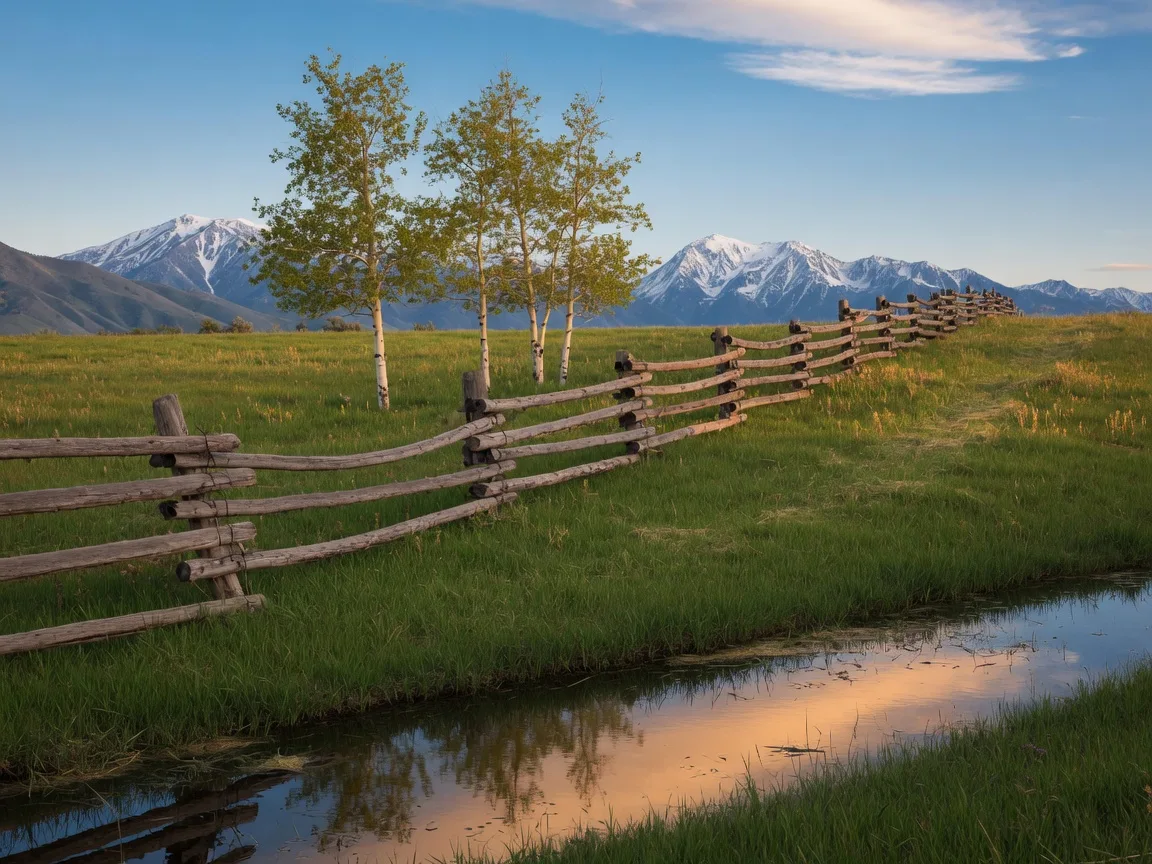
The short version: land is scarce and subdivided in the Heber City, Midway, and Jordanelle corridor. The real acreage opportunities remain in Wallsburg, Woodland, and the Kamas Valley.
06 / Lifestyle and the honest math
The life, and what actually moves.
The ranch lifestyle is the point for most buyers: privacy measured in acres, recreation out the back door, and a piece of the West that barely exists. The scarcity story is real: land is finite, the valley grows fast, and the 2034 Games will keep the world's eyes here for a decade.
What sells fast is water, views, and access. A parcel with appurtenant irrigation, a view that cannot be built out, and a road you can drive in any season will have buyers. What sits is raw land without water or utilities, priced as if it were ready to build. It is not.
07 / My promise
I verify before you commit.
Buying land is a different kind of purchase, and it deserves a different kind of representation. My promise is simple: before you ever commit, I will verify the water, the zoning, and the access, in writing, and I will tell you the truth about what the land can and cannot become. That is how I have protected clients for 21 years, and it is how I will protect you.
Tell me what you are dreaming about, a working ranch, a weekend place, a legacy parcel, and I will tell you what is real. Then we go look.
Dreaming in acreage?
Bring me the parcel and the plan.
Whether you are two years out or ready this season, the water, zoning, and access check is free, and it is the smartest first step on any land purchase. Reach out with the wishlist; leave with clarity.